
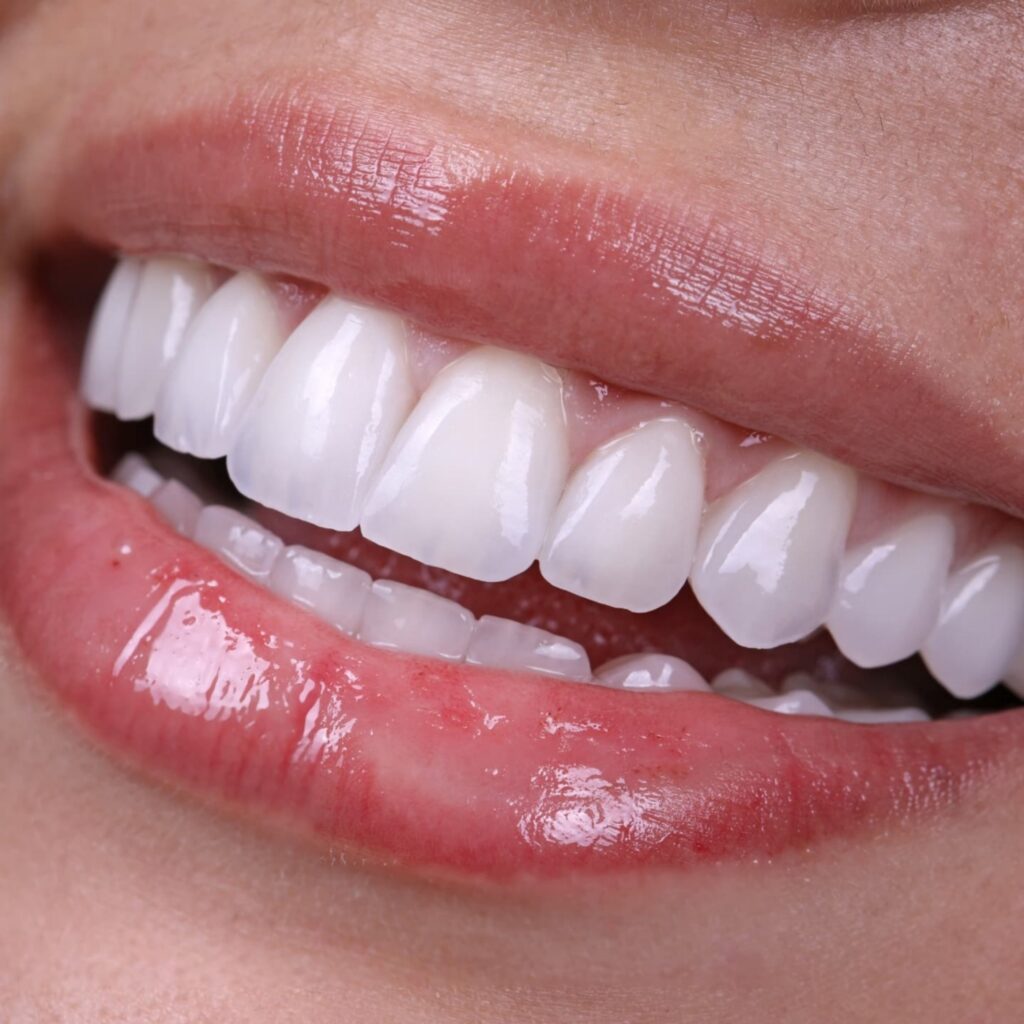
What Are Veneers, Exactly?
A veneer is a thin shell, usually made from porcelain or a composite resin, that bonds to the front surface of a tooth. The goal is to change how the tooth looks from the outside while leaving most of the natural tooth structure intact underneath. Veneers are typically used to address chips, gaps, discoloration that does not respond to whitening, or teeth that are slightly misshapen or uneven in size. Unlike crowns, which wrap around an entire tooth, veneers only cover the visible front portion, which means less of the natural tooth needs to be altered to place them.
Why Patients Choose Veneers
People pursue veneers for different reasons, but a few benefits come up consistently. Here is what tends to draw patients toward this option over other cosmetic fixes:
- They can correct multiple cosmetic issues at once, including color, shape, and minor spacing problems, without needing separate treatments for each.
- Porcelain veneers resist staining far better than natural enamel, so coffee, tea, and red wine are less likely to dull the result over time.
- The shells can be customized in shade and shape to match the rest of your teeth, rather than producing a uniform, artificial look.
- Compared to crowns, the preparation is more conservative, which means less of your natural tooth gets removed.
- Results are immediate. Once they are bonded, there is no waiting period to see the outcome, unlike treatments such as orthodontics.
The Process Behind Veneers in New Bern
Getting veneers usually starts with a consultation in which your teeth and gums are evaluated to confirm that veneers are a reasonable approach for what you want to change. From there, the front surface of each tooth getting a veneer is lightly prepared, an impression or scan is taken, and the shells are custom fabricated to match the shape and shade you and your dentist agree on. Once they are ready, they are bonded into place and adjusted for fit and bite. If you are weighing veneers against other options, it helps to look at examples of completed cases in the smile gallery or to read about how other patients describe their results in the practice reviews.
Is This the Right Fit for You?
Veneers work best on teeth that are structurally healthy. If decay, cracks, or significant wear are part of the picture, those issues usually need to be addressed first, sometimes through restorative dentistry, before a veneer is placed on top. Gum health matters too, since veneers are bonded right at the gumline and need a stable foundation to look natural and last. This is part of why an in-person evaluation matters more than self-diagnosing from photos online.
Dr. Eric Oxley reviews each case individually to determine whether veneers or a different approach makes more sense for your teeth and your goals. You can read more about his background on the meet the doctor page.
Frequently Asked Questions
How long do veneers in New Bern typically last?
Porcelain veneers generally last somewhere between ten and fifteen years with reasonable care, though this varies based on bite habits and how well you maintain regular dental visits.
Do veneers damage your natural teeth?
The preparation removes a small layer of enamel, which does not grow back. Because of this, veneers are considered a long-term commitment rather than a reversible cosmetic choice.
Can veneers fix crooked teeth?
Veneers can mask minor misalignment or spacing, but they are not a substitute for orthodontic treatment if teeth are significantly out of position.
Are veneers covered by insurance?
Since veneers are usually elective and cosmetic, most dental insurance plans do not cover them. If cost is a concern, asking about the membership plan during your consultation is worth doing, since it may apply to part of your overall care.
What is the difference between porcelain and composite veneers?
Porcelain tends to hold its color longer and has a more natural translucency, while composite is typically faster to place and less expensive, though it does not last as long.
Ready to Talk About Your Options?
The best way to know whether veneers make sense for your teeth is to have them evaluated directly rather than guessing based on what worked for someone else. Reach out through the contact page to set up a visit, or look up the New Bern office location if you would rather plan your route first. A real conversation about your teeth will tell you more than any article can.